
Sweden and Tunisia will begin their 2026 FIFA World Cup campaigns when they meet in a Group F fixture at the Estadio BBVA in Guadalupe.
The two nations are separated by only seven places in the FIFA world rankings, suggesting this could be one of the more evenly matched fixtures of the opening round. Sweden arrive with a strange qualification story but a strong World Cup group-stage record, while Tunisia enter the tournament hoping to finally reach the knockout phase after six previous failed attempts.
With the Netherlands and Japan also present in Group F, both teams will know how important this opener could be. A win would immediately give either side a real platform, while defeat would leave them with a difficult route through the rest of the group.
Sweden’s path to the 2026 World Cup was anything but conventional. Blagult failed to win a single match in their main qualification group, finishing bottom behind Kosovo, Slovenia and Switzerland. Under normal circumstances, that would have ended their hopes. Instead, their Nations League route gave them a second chance, and they took it in dramatic fashion.
The Nations League playoff pathway has divided opinion since its introduction, but Sweden will have no complaints about it. They became the first team to reach a World Cup after finishing last in their qualification group without a victory, turning what looked like a failed campaign into a remarkable rescue act.
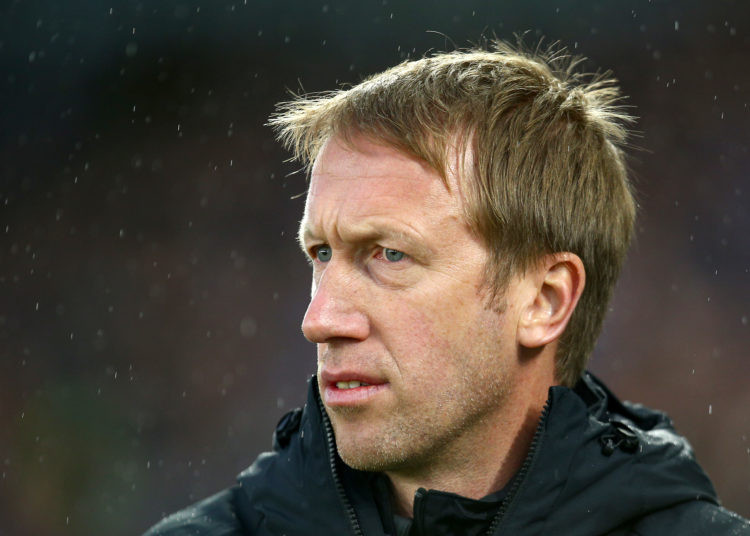
Graham Potter now has the responsibility of making sure Sweden do more than simply take part. The former Chelsea coach was handed a contract extension even before winning his first match, and he will be expected to build on Sweden’s strong historical record at World Cups.
Blagult have progressed from the group stage in each of their last four World Cup appearances since 1990. That is an impressive record, and it gives them confidence despite their chaotic qualifying campaign. They have also lost only two of their previous 12 opening matches at the tournament, which suggests they know how to start well on the global stage.
Tunisia, by contrast, had a much more commanding qualification campaign. Drawn against Namibia, Liberia, Malawi, Equatorial Guinea and Sao Tome and Principe, the Eagles of Carthage made light work of the group, winning nine of their 10 matches and finishing 13 points clear at the top.
Yet Tunisia’s World Cup history is still the major obstacle they must overcome as they have appeared at the tournament six times before and have been eliminated in the group stage on every occasion. Across those six campaigns, they have managed only three wins from 18 matches.
Still, Tunisia have beaten Sweden before and their only meeting this century came in 2003, when the Eagles of Carthage claimed a 1-0 victory. That result will not carry huge tactical relevance more than two decades later, but it offers a small psychological note before this opening group match. The Hard Tackle takes a look at how both sides could line up and what tactics they might employ on the day.
Sweden head into their World Cup opener against Tunisia in fairly good shape, although Graham Potter still has one fitness concern to monitor. Emil Holm has already withdrawn from the squad, but there are no fresh injury problems beyond Gabriel Gudmundsson’s uncertain availability. The Leeds United left-back has been battling a virus and remains touch-and-go for Monday’s Group F fixture. There are no suspension concerns for Sweden heading into this match.
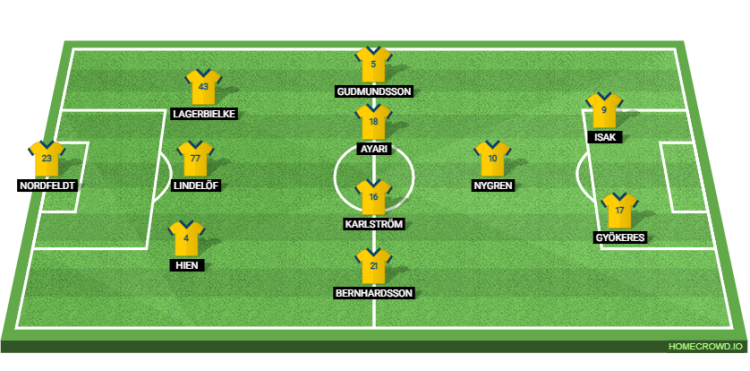
Sweden are expected to line up in a 3-4-1-2 formation, with Kristoffer Nordfeldt starting in goal. Isak Hien should operate as the right-sided centre-back, bringing athleticism and defensive strength. Victor Lindelof is likely to start in the central centre-back role, where his experience and positioning will be vital. Gustaf Lagerbielke should complete the back three on the left side, giving Sweden another aerially strong presence.
In the wing-back roles, Alexander Bernhardsson is expected to start on the right while Gabriel Gudmundsson could start on the left if he recovers from illness in time, but Daniel Svensson or Elliot Stroud may be considered if Potter decides not to risk him.
In central midfield, Jesper Karlstrom is likely to provide defensive discipline and ball-winning ability, while Yasin Ayari should partner him and offer energy, passing quality and forward movement. Ahead of them, Benjamin Nygren is expected to operate as the attacking midfielder, linking midfield with the front two and trying to find pockets of space between Tunisia’s lines.
Up front, Viktor Gyokeres should start alongside Alexander Isak. Gyokeres will bring physical power, pressing and direct running, while Isak can drift into deeper areas, combine with Nygren and create space with his movement. Their partnership will be central to Sweden’s attacking plan.
Probable Lineup (3-4-1-2): Nordfeldt; Hien, Lindelof, Lagerbielke; Bernhardsson, Karlstrom, Ayari, Gudmundsson; Nygren; Gyokeres, Isak
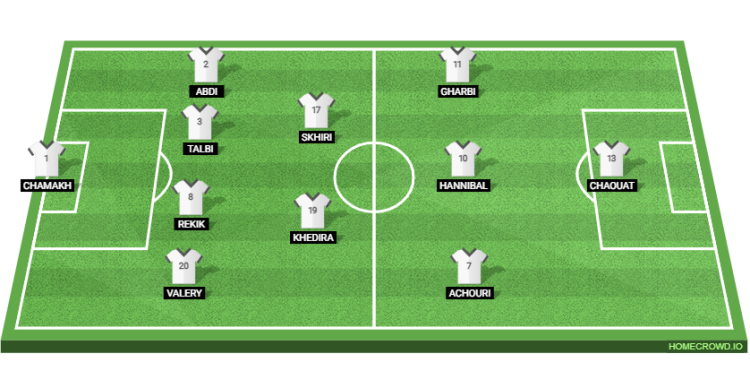
Tunisia are expected to have a fully fit squad available for their World Cup opener against Sweden, giving Sabri Lamouchi the chance to make changes after the heavy defeat to Belgium in their final warm-up match. There are no injury or suspension concerns reported for Tunisia ahead of Monday’s Group F fixture. With everyone available, the main question is how Lamouchi reshapes the side tactically. After being swept aside by Belgium, Tunisia may look to add more control in midfield and greater creativity between the lines.
Tunisia are expected to line up in a 4-2-3-1 formation, with Abdelmouhib Chamakh starting in goal. Yan Valery should operate at right-back, where he will need to remain defensively alert against Sweden’s wide threat. Omar Rekik is likely to start as one of the centre-backs and will be important in organising the back line. Montassar Talbi should partner him in central defence, bringing experience, aerial strength and composure. Ali Abdi is expected to feature at left-back, where his energy and crossing ability can offer Tunisia an outlet when they move forward.
In midfield, Ellyes Skhiri should start as part of the double pivot. His defensive awareness, ball-winning ability and passing range will be vital if Tunisia are to slow Sweden’s rhythm. Rani Khedira is expected to partner him, offering positional discipline and physical presence in central areas.
Further forward, Elias Achouri is likely to start on the right wing, where his pace and direct running can help Tunisia transition quickly. Hannibal Mejbri should operate as the central attacking midfielder, linking midfield with attack and trying to create openings between Sweden’s defensive lines. Ismael Gharbi is expected to start from the left side, giving Tunisia technical quality and movement in the final third. Firas Chaouat is likely to lead the line as the central striker.
Probable Lineup (4-2-3-1): Chamakh; Valery, Rekik, Talbi, Abdi; Skhiri, Khedira; Achouri, Hannibal, Gharbi; Chaouat
Sweden’s qualification campaign looked lost after they finished bottom of their group without a win, but Gyokeres changed the story in the playoffs. His hat-trick against Ukraine and late winner against Poland carried Sweden to the tournament, and Graham Potter will again look to him for inspiration in the final third.
Operating as one of two forwards in Sweden’s 3-4-1-2 system, Gyokeres should partner Alexander Isak in a dangerous attacking pairing. Isak’s movement and technical quality can create space, while Gyokeres offers power, direct running and ruthless penalty-box instincts.
Tunisia were defensively outstanding in qualifying, but their recent form has dipped badly. If Sweden can supply Gyokeres early and often, his physicality and finishing could be decisive in helping Blagult begin Group F with a vital win.
Sweden have defensive weaknesses, but they also possess the stronger attacking threat, especially with Viktor Gyokeres in form. Tunisia’s qualification record was excellent, but their recent lack of goals and heavy defeat to Belgium raise concerns heading into the tournament. The Eagles of Carthage should be competitive and organised, but Sweden’s firepower may prove decisive in a tight opener.
